Panretinal Photocoagulation (PRP)
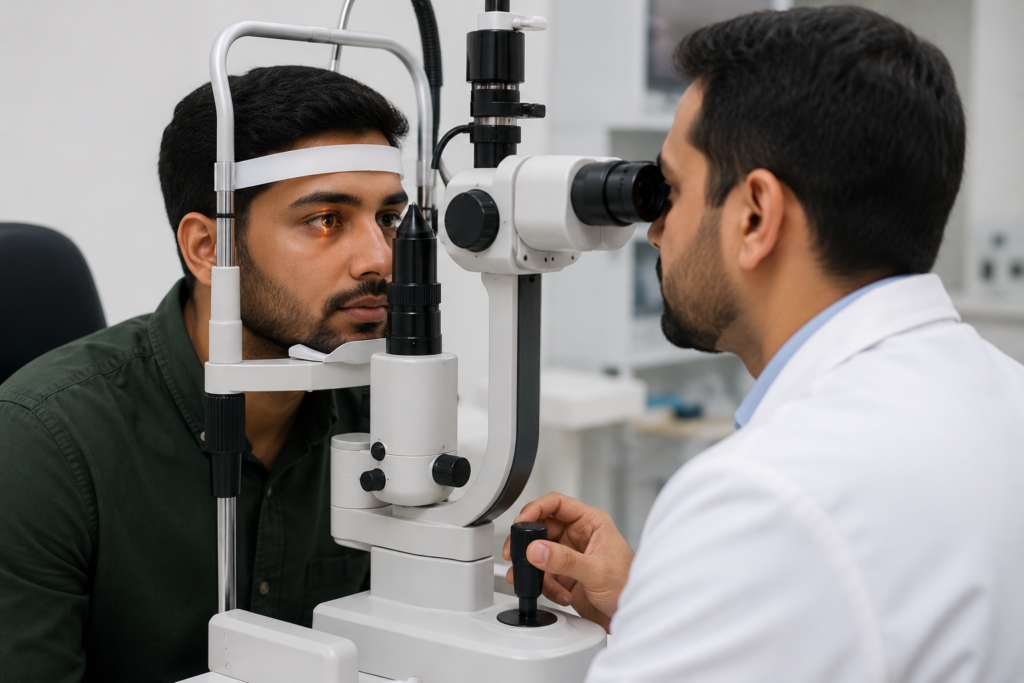
What is PRP?

Panretinal Photocoagulation (PRP) is a laser treatment used to manage advanced diabetic retinopathy and other retinal diseases that cause abnormal blood vessel growth. The laser is applied to the peripheral retina to reduce oxygen demand and prevent the growth of fragile new blood vessels that can lead to bleeding, retinal detachment, and vision loss.

Your PRP Treatment Journey

The Day of Treatment

Panretinal Photocoagulation (PRP) is a laser treatment commonly used to manage advanced diabetic retinopathy and other retinal conditions involving abnormal blood vessel growth. Before the procedure, eye drops are used to dilate the pupil and numb the eye. During treatment, laser spots are applied to the peripheral retina to reduce oxygen demand and prevent the growth of abnormal blood vessels. The procedure is performed on an outpatient basis and usually takes 15–30 minutes.

Day 1: Mild blurring of vision and light sensitivity may occur after treatment.

Week 1: Most patients resume normal daily activities while the retina continues to respond to the laser treatment.

1 Month: Follow-up examinations assess retinal health and monitor the effectiveness of the treatment.

Long Term: PRP helps prevent further progression of diabetic retinopathy and reduces the risk of severe vision loss.

✓ Helps prevent severe vision loss from diabetic retinopathy.

✓ Reduces abnormal blood vessel growth in the retina.

✓ Minimizes the risk of retinal bleeding.

✓ Helps reduce the risk of retinal detachment.

✓ Proven and effective treatment for proliferative diabetic retinopathy.

✓ Preserves long-term retinal health and vision.

✓ Use prescribed eye drops and medications as directed.

✓ Mild blurring of vision and light sensitivity are normal for a short period after treatment.

✓ Wear sunglasses outdoors if you experience sensitivity to light.

✓ Avoid strenuous activities as advised by your eye specialist.

✓ Attend all scheduled follow-up appointments.